Wednesday, March 26, 2025

The Legacy of Nepal’s Kings: A Journey Through History

•Introduction: The Legacy of Nepal’s Kings


Throughout history Nepal's development evolved together with the royal dynasties that ruled the country. The Shah kings ruled Nepal during its unification while the dynasties from the early era helped form the foundations of the nation and the monarchy established Nepal's cultural and political and social traditions. We will study the royal Nepalese path through history which demonstrates both their victories and adversities as well as their enduring impact on the nation.


•The Early Kingdoms of Nepal


effectiveratecpm.com/68/6d/31/686d3179c16bb528efb98a2fc10ba7a1.js

During ancient times Nepal established its first kingship through the Licchavi dynasty which ruled the country between 400-750 AD. During their reign the Licchavi kings transformed Kathmandu Valley into a cultural and commercial center where they supported Hinduism and Buddhism. King Mandev stands out among other rulers because of his significant achievements in governance together with his architectural masterpieces and his work in religious expansion.


https://www.effectiveratecpm.com/k48uwt2g6?key=d83c539d3e45144f57af10db357bf636

The Malla dynasty (12th-18th century) took power after the Licchavis and brought Nepal into an artistic and cultural heyday accompanied by architectural achievements. During the Malla dynasty King Jayasthiti Malla and Pratap Malla together with Bhupatindra Malla gained fame through their sponsorship of temples along with palace constructions and traditional festivities which exist as present-day celebrations..

•The Rise of the Shah Dynasty


The Shah dynasty under Ki ng Prithvi Narayan Shah established the most influential era of the Nepalese monarchy during the 18th century. The people of Nepal honor Prithvi Narayan Shah as their national unifier since he took numerous small kingdoms to create a strong unified nation. According to Shah's national perspective Nepal exists between two major powers like two boulders (China and India) which underlines the necessity of sovereign unity for the country.

effectiveratecpm.com/05669accc3a21020b6cfc5ea7990a030/invoke.js


The Shah dynasty established rule in Nepal for more than two centuries during which they faced both flourishing times and domestic struggles and international challenges. Through his leadership King Tribhuvan earned the title "Father of the Nation" because he successfully brought an end to the Rana prime ministership which had dominated the country for more than a century. Through his actions he brought democracy to Nepal.

•Modern Era: The Monarchy’s Fall src="//pl26205050.effectiveratecpm.com/05669accc3a21020b6cfc5ea7990a030/invoke.js">


King Birendra achieved fame by working towards peace while bringing democratic changes to Nepal before his tragic death. A devastating palace massacre during 2001 took King Birendra and Queen Aishwarya and other royal family members from the world.


Public dissatisfaction against King Gyanendra grew stronger because of political turmoil and authoritarianism claims. Mass protests against the monarchy developed into an institutional change that abolished the royal family which then transformed Nepal into a federal democratic republic in 2008.

•The Legacy of Nepal’s Kings Today


Though Nepal is now a republic, the influence of its kings is still visible. Ancient palaces like the Hanuman Dhoka, Patan Durbar Square, and Bhaktapur Durbar Square stand as testaments to their architectural vision. Traditional festivals like Indra Jatra, Dashain, and Kumari Jatra carry on the cultural heritage that these monarchs cherished.


Moreover, the values of unity and resilience promoted by kings like Prithvi Narayan Shah continue to inspire Nepali identity and patriotism.

•Conclusion: A Royal Journey. Remembered


Nepal’s kings shaped the nation’s history in profound ways — from early builders to unifiers and reformers. Their legacies live on in the art, culture, and spirit of the people. While the monarchy may no longer govern, the stories of Nepal’s great kings remain an essential part of the country’s rich and resilient heritage

Tuesday, March 25, 2025

The Heart of Nepal: Exploring the Diverse People and Cultures

 The Heart of Nepal: Exploring the Diverse People and Cultures

The people of Nepal stand out through their remarkable way of life which extends from the breathtaking mountains to the breandscapes. The resilient and welcoming people of Nepal operate as the fundamental essence of this enchanting nation. Every piece of Nepal extends from the snowy tops of the Himalayas to its green hills as well as its act communities and traditions and local languages.


A Land of Ethnic Diversity


The diverse population of Nepal consists of more than 125 ethnic groups who speak among themselves 123 native languages which form a unique cultural pattern. Every region in Nepal maintains distinctive customs together with unique festivals and particular ways of existing.

< br />

The Sherpas maintain famous status for their expert climbing abilities while residing in the area surrounding Mount Everest. They possess physical strength and deep spiritual bonds with the mountain terrain.


As the indigenous people of the Kathmandu Valley the Newars maintain international fame because of their exceptional artistry and architectural achievements as well as their energetic celebrations Indra Jatra and Bisket Jatra.


In the Annapurna region the Gurungs and Magars members are recognized for their valor and several of them join the Gurkha regiments.


The Tharus live in Terai plains where they maintain their distinctive dwelling structures while wearing vibrant traditional clothes and share a strong environmental connection.

Warmth and Hospitality

Nepal Culture, Nepali People, Himalayan Communities, Nepal Travel, Ethnic Diversity in Nepal, Festivals in Nepal, Nepal Hospitality, Travel to Nepal


I find the friendly welcome of people during Nepal visits to be its most distinctive element. The traditional Indian custom of welcoming guests as divine entities finds its perfect expression in how Nepalis treat their visitors through the principle of "Atithi Devo Bhava".


Every corner of Nepal offers its residents the tradition of welcoming strangers with Namaste gestures while sharing smiles and sometimes inviting them for tea. Nepali families extend their hospitality through meal sharing among strangers which creates an immediate family connection with guests.


Faith and Spirituality


The religious beliefs of Nepal combine Hinduism and Buddhism while Islam and Christianity also find acceptance throughout the country. Spirituality pervades every day in Nepal because the country maintains religious traditions through temples coupled with prayer flags which wave in the wind.


Many tourists along with Nepalese people visit well-known pilgrimage sites including Pashupatinath Temple and Lumbini which is the birthplace of Buddha and the Boudhanath Stupa which produces a peaceful sacred environment. The daily beginning of Nepali people includes religious rituals which include both temple worship and home lamp-lighting which display their strong faith.

Festivals and Celebrations


The vibrant character of Nepal expresses itself through numerous festivals that fill the entire cultural year. The longest and most significant Hindu festival Dashain joins with Tihar which is known as the Festival of Lights to unite families in joyful festivities.


Other key festivals include:


Holi serves as the festival of colors during which people express joy through their application of vibrant colored dyes.


Losar represents the Tibetan New Year which brings joy to all Sherpas Tamangs and other Himalayan folks.


The festival Maghe Sankranti marks the arrival of warmer days and longer sunlight hours while Nepalese people prepare sesame sweets and yams for their celebrations.


Each festival within Nepal shows how the country merges its deep cultural richness with lively beautiful traditions from religion.

Resilience and Spirit


Nepalese people display an unbeatable spirit which characterizes their population. Nepalese communities demonstrate remarkable strength while maintaining unity to build back their community after disasters and economic strains with affirmative spirit. Their unyielding spirit together with their ongoing compassion makes Nepalese people worthy of admiration.


Nepali people demonstrate their determination and motivation through their work in agricultural terraces as well as their initiatives to create urban business opportunities.


The country’s true beauty extends beyond its mountains and rivers since it lies within the Nepali community. People in Nepali communities stand apart because they possess remarkable diversity alongside welcoming personalities and enduring spirits. Your heart will forever keep memories of Nepali people during your Himalayan treks and ancient village tours..

Monday, March 24, 2025

Exploring the Wild Side of Nepal: A Journey Through Its Unique Wildlife

 Introduction


The national territory of Nepal displays its numerous magnificent mountains together with peaceful surroundings while sustaining an extensive range of wildlife species. Multiple types of animals thrive in Nepal because the nation hosts different habitat zones starting with dense jungles in Chitwan followed by Himalayan alpine forests. Wildlife exploration in Nepal provides unforgettable moments to both wildlife enthusiasts and traveling curiosity seekers.

1. The Majestic Bengal Tiger


The Bengal tiger stands as an iconic animal of Nepal. The dense jungles of Chitwan National Park and Bardia National Park serve as the home territory for these strong predators. Conservation initiatives have brought positive effects leading to a gradual increase in Bengal tiger populations which allows people to see them in their wild homes.


2. The Gentle Giant: One-Horned Rhinoceros


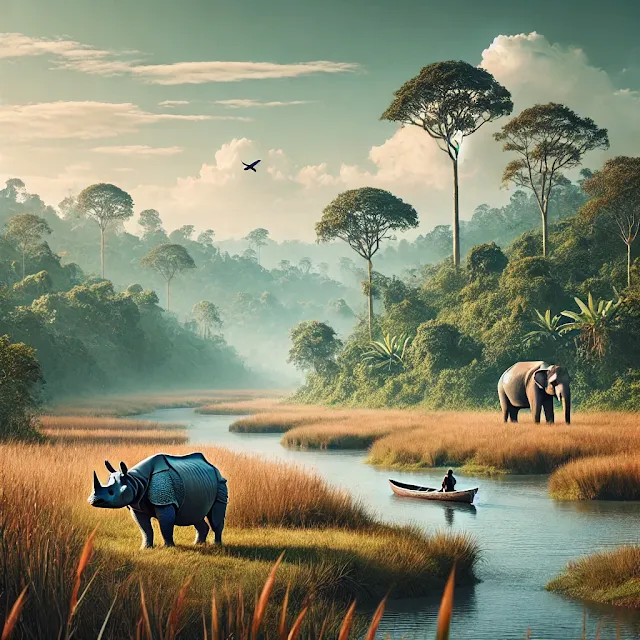
You can encounter the vulnerable one-horned rhinoceros exclusively in Nepal among all the places on our planet. The gentle giants are identifiable by their protective thick armor skin as they move through rivers and grasslands foraging. Visitors commonly select Chitwan National Park as their prime location to observe rhino populations.


A One-Horned Rhinoceros population eats grass as it wanders through the grounds of Chitwan National Park in Nepal.

3. The Elusive Red Panda


The red panda exists within Nepal's eastern Himalayan forest region while moving quietly between the tree branches. This unique animal hides in the forests because it has reddish-brown fur and a bushy tail. People can most likely spot red pandas in the forests of Ilam together with Langtang National Park.


A photograph reveals the Red Panda taking a rest on a tree branch within Langtang National Park's territory in Nepal.

4. The Endangered Snow Leopard


One of the most enigmatic big cat species exists in the mountainous territories of Annapurna and Shey Phoksundo National Parks. Survival in the extreme wintry regions has adapted these rare predators into symbols of Himalayan wilderness.


A Snow Leopard roams through the Himalayas as it inhabits the mountains of Nepal.


5. The Playful Asian Elephant


Several packs of Asian elephants can regularly be spotted as they travel through Bardia National Park thus representing power and elegance. There are elephants in Nepal which participate in safaris yet numerous elephants remain wild and unmanaged. Sightseeing these royal creatures in their wild environment creates a warm feeling in people's hearts.


A wild Asian Elephant progresses through Bardia National Park which exists in Nepal


6. The Rare Gharial Crocodile


The gharial crocodile population survives in Nepal's rivers because it is considered an endangered species that features a slender snout. The remarkable reptiles of gharial crocodiles can be observed basking in the sun on the Rapti and Narayani Rivers which flow through Chitwan National Park.


The Rapti River in Chitwan, Nepal offers a view of a resting gharial crocodile which receives the image label.

7. Vibrant Birdlife: A Birder’s Paradise


The nation of Nepal contains more than 900 bird species which attracts professional and amateur bird observers. Every area of Nepal presents travelers with chances to see various bird species as the Himalayan monal stands as the national bird alongside numerous colorful kingfishers and eagles.


A Himalayan Monal stands as the national bird of Nepal while showing off its bright plumage in this image.


Conclusion


The animal diversity in Nepal matches the scenery's beauty throughout the nation. The country provides shelter to several endangered species while featuring mountains as high as those in the Himalayas and dense forests. The wilderness of Nepal creates everlasting fascination during hiking adventures through Himalayan mountains or trips throughout national reserves.

Sunday, March 23, 2025

Through nature and culture and tradition Nepal presents itself as a place to explore timeless beauty during an unforgettable journey.

 Introduction


The beautiful natural attractions combined with plentiful cultural heritage and kindhearted citizens create Nepal into a type of perfect destination for all types of travelers. This small diverse country rests between the Himalayas and plains to give visitors an unforgettable experience of adventure alongside nature and cultural exploration. Nepal displays its exceptional charm between the highest point of Mount Everest and its quiet villages together with historic temples. Travelers will discover Nepal’s remarkable attributes including its stunning landscapes and authentic customs alongside welcoming people in this beautiful land.

1. The Majesty of the Himalayas


The world celebrates Nepal as a destination because it houses eight highest peaks including Mount Everest (Sagarmatha) within its Himalayan mountain range. Worldwide hiking enthusiasts follow mountain trails including the Everest Base Camp and Annapurna Circuit to observe breathtaking sceneries and snowy mountain ranges and varying landscapes. A Himalayan sunrise viewed from Poon Hill or Nagarkot creates a breathtaking spectacle which attracts every Nepal explorer.


Adventurous people who visit Pokhara can engage in paragliding while others choose to raft Trishuli or participate in mountaineering activities to explore Nepal's natural wonders directly.

2. Serene Villages and Green Landscape


The mountains hide a different charm in Nepal which demonstrates peaceful villages among the abundant greenery. Tourists find both Ghandruk Village and Bandipur attractive because they showcase traditional Gurung village life and offer stunning mountain vistas. The Terai region in southern Nepal showcases a different presentation of the country with its endless plains together with abundant wildlife and deep jungles.


Visitors who visit Chitwan National Park have the opportunity to take jungle safaris for observing Bengal tigers and one-horned rhinoceroses and elephants in their natural habitat. The wildlife enthusiast will find Bardiya National Park to be a concealed destination which offers exclusive wildlife exploration opportunities.

3. Cultural Marvels and Ancient Temples


The nation of Nepal connects its historical customs smoothly to contemporary society. The UNESCO World Heritage cities of Kathmandu, Bhaktapur and Patan within Kathmandu Valley present temples and palaces and courtyards which showcase the magnificent Malla architectural heritage from the past.


Swayambhunath Stupa (Monkey Temple) embodies the peaceful coexistence of Buddhism and Hinduism and Pashupatinath Temple welcomes Hindu devotees from all over the world at its Bagmati River location. Boudhanath Stupa stands as one of the world's biggest spherical stupas because it serves as a place of spiritual sanctuary which emits peaceful energies.


The ancient Bhaktapur Durbar Square reveals its historical charm through its remarkable wooden carvings with pottery squares showing traditional Newari customs.

4. A Culinary Delight


There exists the same diversity within Nepali cuisine that exists within its geographical region. Taste seekers can explore a wide range of culinary options that include dal bhat tarkari as well as momo dumplings and sel roti rice doughnuts sold on local streets.


Visitors must experience Newari cuisine in Bhaktapur that includes yomari, chatamari, and juju dhau (king curd). Every Nepalese territory displays its distinctive culinary traditions which represent the heritage and customs of its inhabitants.

5. The Warmth of Nepali Hospitality


Visitors remember the Nepalese hospitality which stands out as the most significant feature of exploring this country. Whenever you choose to stay in either a mountain homestay or a teahouse on a trekking route local residents will receive you with authentic smiles and genuine hospitality. The tradition of welcoming guests as if they were gods exists as a fundamental belief in Nepali culture.


Conclusion


The country of Nepal provides an opportunity that extends beyond mere tourism because it transforms into an emotional experience for visitors. Nepal presents diverse experiences for all travelers who seek Himalayan thrills and peaceful village visits alongside cultural appreciation and tasting local foods.

Exploring the Majestic Mountains of Nepal: A Journey to the Himalayas

 Blog Content:


Nepal, a land of towering peaks and stunning landscapes, is home to eight of the world’s 14 highest mountains, making it a dream destination for trekkers, climbers, and nature lovers alike. The Himalayan range stretches across the country, offering everything from thrilling expeditions to peaceful cultural experiences in the mountain villages.


1. Mount Everest: The Crown of Nepal


At 8,848.86 meters (29,031.7 feet), Mount Everest — known as "Sagarmatha" in Nepali — reigns as the tallest mountain on Earth. Each year, thousands of trekkers journey to Everest Base Camp, not just for the challenge but also to witness the breathtaking scenery of glaciers, icefalls, and Sherpa settlements along the route. view from Kala Patthar, Nepal.


---


2. Annapurna Range: A Trekker’s Dream


The Annapurna Massif, with peaks like Annapurna I (8,091 meters), offers some of Nepal’s most popular trekking routes. The Annapurna Circuit and Annapurna Base Camp Trek take you through lush forests, high-altitude deserts, and traditional Gurung and Thakali villages. The panoramic views of Annapurna and Machapuchare (Fishtail Mountain) are unforgettable.


---


Image 2 Description: Trekkers crossing a suspension bridge with the Annapurna Range in the background.

Image 2 Alt Tag: Annapurna Range trekking trail, Nepal.


---


3. Langtang Valley: Beauty Close to Kathmandu


For those seeking a less crowded experience, Langtang Valley is a perfect choice. Just a day’s drive from Kathmandu, Langtang offers views of Langtang Lirung (7,227 meters) and peaceful alpine landscapes. The region is rich in Tamang culture and hospitality, making it a cultural and scenic retreat.


---


Image 3 Description: A panoramic view of Langtang Valley with snow-covered peaks and yak pastures.

Image 3 Alt Tag: Langtang Valley mountain view with yaks grazing, Nepal.


---


4.Manaslu: The Spirit of the Himalayas


Mount Manaslu (8,163 meters), the eighth-highest peak in the world, offers a remote trekking experience. The Manaslu Circuit Trek circles the mountain, showcasing a blend of Hindu and Buddhist cultures, waterfalls, and breathtaking landscapes. This off-the-beaten-path route rewards adventurers with peace and untouched beauty.


---


Image 4 Description: A view of Mount Manaslu, surrounded by glaciers and rugged landscapes.

Image 4 Alt Tag: Mount Manaslu circuit trekking route, Nepal.


---


Conclusion:


Nepal’s mountains are more than just natural wonders — they’re a symbol of strength, spirituality, and adventure. Whether you aim to conquer Everest or explore the hidden valleys of Langtang and Manaslu, Nepal’s mountains promise an unforgettable journey.

Saturday, March 22, 2025

Exploring Nepal’s Natural Beauty: Mountains, Green Landscapes, and Charming Villages

 The natural beauty of Nepal reveals its stunning mountains with their green landscapes and picturesque villages across its landscapes.


Nepal exists as a dream destination for explorers since it showcases jaw-dropping mountain views with its radiant green scenery and its pleasant villages. The natural beauty of Nepal touches you deeply no matter which environment you choose to explore between its Himalayan heights and its graceful hills and rustic villages. This article will explore the magical attractions of Nepal as a captivating nation.


1. The Majestic Himalayan Mountains


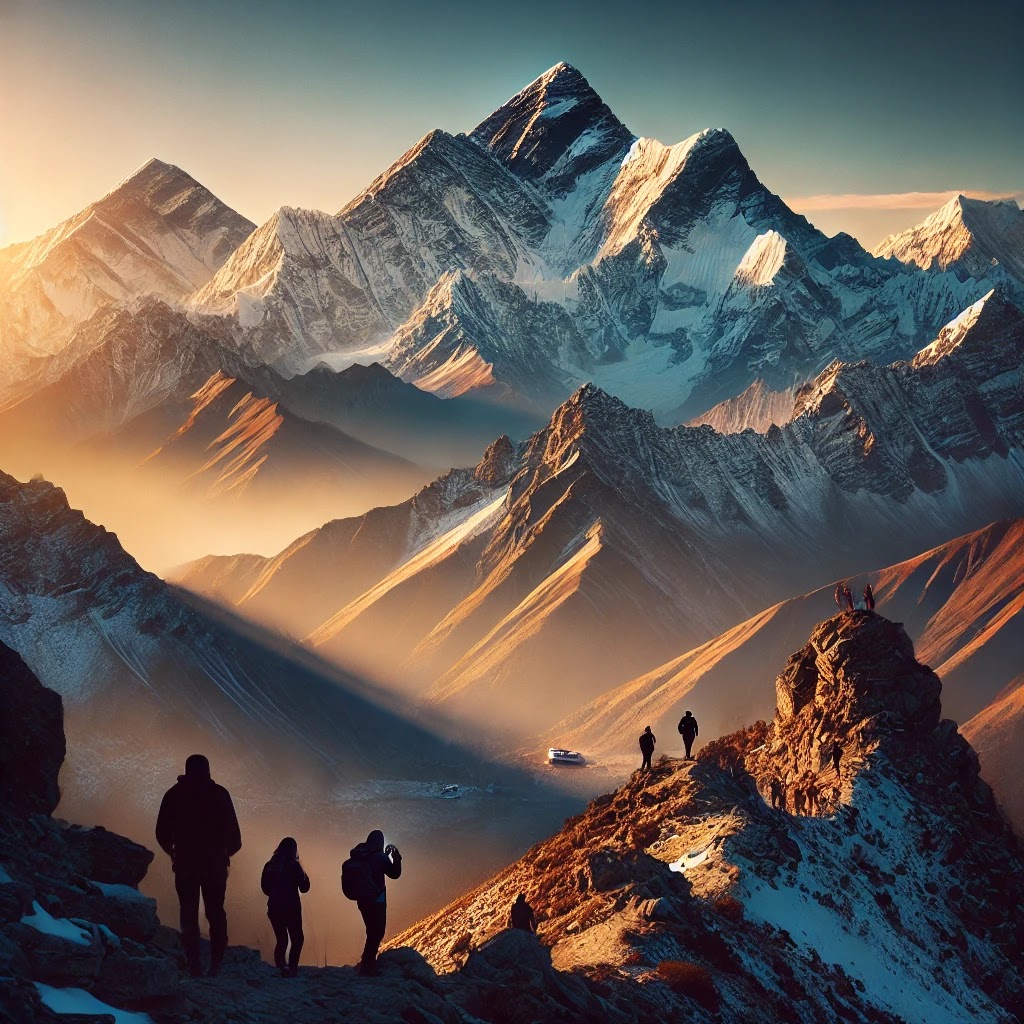
Nepal possesses eight highest peaks worldwide among the fourteen with Mount Everest (Sagarmatha) being the most legendary. The snowy mountain peaks create an unreal setting which brings travelers to this region from diverse parts of the world. Both Annapurna and Langtang ranges create equally stunning landscapes which welcome adventure seekers together with serene travelers.


The photo shows Himalayan peaks in snow-covered beauty which reach for the clear blue sky.

2. Lush Green Landscapes and Valleys


After crossing the mountain range Nepal reveals its landscapes through gently sloping hills combined with agricultural terraces and thick forest territories. People describe the Pokhara Valley as a heavenly place due to its peaceful lakes and captivating landscape views. Meanwhile, the Chitwan National Park and Bardia National Park showcase Nepal’s rich biodiversity — from rare one-horned rhinos to elusive Bengal tigers.


Image Caption: Vibrant green hills and rice terraces stretching under the warm sunlight.


3. Peaceful and Authentic Village Life


Traditional Nepalese villages along with their friendly culture provide visitors with an inviting and memorable experience. You can observe the traditional living of Nepalese residents through visits to Ghandruk and Bandipur and Tengboche villages. The authentic touch of your expedition emerges from exploring stone paths under the moving prayer flags as you meet the friendly villagers.


The traditional Nepalese settlement sits within green rolling slopes.

4. Rivers, Lakes, and Waterfalls


Nepal showcases its beauty through more than just terrestrial and montane features because it offers alluring water resources. At Phewa Lake in Pokhara visitors find a mystical sight as the Annapurna mountains reflect perfectly in its surface. Rara Lake has gained the title "Queen of Lakes" because it gives visitors unparalleled serenity. Nepal’s captivating landscape becomes even more enchanting because of its captivating waterfalls such as Devi’s Fall.


The enchanting Phewa Lake presents a perfect reflection of the Annapurna mountain range to its viewers.

5. A Haven for Eco-Tourism and Adventure


Travelers who seek adventure will find their ideal destination in Nepal. The various natural landscapes of Nepal create endless opportunities for thrilling pursuit activities which include both trekking and paragliding along with white-water rafting. Among the world-renowned trails Nepal hosts are Everest Base Camp Trek and Annapurna Circuit and Poon Hill.


A traveler poses at a mountaintop ridge where they have a panoramic view of Nepalese mountain ranges and valley terrains.

Conclusion: A Journey to Remember


The natural beauty of Nepal includes its breathtaking mountains alongside its stunning greenery and active village communities to form a perfect Earthly work. Nepal extends open hospitality to travelers who want adventure experiences alongside peace or cultural discovery.

Friday, March 21, 2025

Exploring the Hidden Beauty of Nepal’s Villages — Culture, Nature, and Traditions Unveiled

 •🏔️ Why Nepal is a Nature Lover’s Dream


Nepal enjoys fame for its mountainous regions and cultural inheritance alongside valuable wildlife species that inhabit its spectacular natural environment. A wide range of animals finds its habitat in Nepal's assorted terrains including mountain peaks and tropical forests which attract many people who love natural settings and wildlife environments.


•A Land of Diverse Ecosystems


The geographical features of Nepal extend from its Terai plains lowlands through mountain elevations reaching up to the Himalayan ranges. The diverse geographical landscape of Nepal supports the growth of numerous plant and animal species. The national parks and wildlife reserves and conservation areas and hunting reserve collectively cover 23% of Nepalese land territory. The protected areas function as wildlife sanctuaries to protect Nepal's exceptional wildlife population.


•The Iconic Wildlife of Nepal


Nepal provides sanctuary to several animals which are both rare and endangered globally. The Royal Bengal Tiger stands as an iconic symbol of power and elegance among all famous animals. The Royal Bengal Tiger can best be observed in Chitwan National Park and Bardia National Park.


One-Horned Rhinoceros stands out as a prehistoric-looking giant which inhabits the grasslands of Chitwan. Nepal's conservation achievements have saved numerous rhinoceroses from extinction so that their population growth has become recognized as one of the country's major conservation achievements.


The mountainous terrains serve as the natural habitat of the Snow Leopard whose domain includes the steep cliffs. The elusive mountain feline remains elusive to human observers except for a few fortunate mountain trekkers who catch sight of it. The Red Panda occupies the eastern forests where it matches the rhododendrons by blending into the environment just like its tree-dwelling lifestyle.


Asian Elephants and Sloth Bears together with Leopards and Gaur (Indian Bison) and Wild Water Buffaloes live in Nepal. Visitors to Koshi Tappu Wildlife Reserve Wetlands have the chance to see the rare Gharial crocodile and Gangetic dolphins which are endangered species.


Avid bird watchers should know that Nepal provides sanctuary to more than 900 bird species among which the Himalayan Monal functions as the national symbol and the Sarus Crane stands as the world's most massive flying bird.


•The Breathtaking Natural Beauty


Nature in Nepal surpasses its animal population to present extraordinary visual beauty to its observers. The magnificent landscapes that exist in Nepal rank among the most incredible ones Earth has to offer.


The Himalayan mountain range brings tourists from worldwide nations who seek to climb Mount Everest (Sagarmatha) alongside other mountain peaks. More than Everest exists within the Himalayas. In the Nepalese horizon Annapurna and Makalu and Dhaulagiri peaks create an atmosphere that resembles something beyond this planet.


Nepal receives its visual charm during spring as the hills alternate between valleys containing stunning green landscapes and terraced fields alongside blooming rhododendron forests. Pokhara stands out as a peaceful getaway because it features Phewa Lake and the mountain reflection of Machhapuchhre (Fishtail Mountain).


The southern portion of Nepal named Terai presents entirely different geographical features compared to the mountainous region. The area contains the country's diverse wildlife collection while it features jungle forests and grassy plains. The natural wilderness of Terai finds its epitome in Chitwan National Park and Bardia National Park.


Rara Lake stands as Nepal's largest and deepest lake which provides serene seclusion because it exists among pine forests and snow-capped mountain peaks. Two additional spectacular sights in Nepal include the turquoise Shey Phoksundo Lake in Dolpa and the equally breathtaking Langtang Valley.


•Conservation Success Stories


Wildlife conservation stands as a remarkable priority for the government of Nepal. Multiple occasions have shown that Nepal has successfully eliminated poaching within a year due to its robust anti-poaching programs. Community-based conservation programs have granted local communities the ability to protect wildlife which led to increased numbers of tigers and rhinos.


Nepal stands as one of the rare territories which unites thriving wildlife populations with deep cultural heritage. Wildlife protection and nature respect increase because Hindus view both cows and elephants as sacred animals.


•Conclusion


Those who explore Nepal discover an unforgettable experience because of its wildlife along with its natural beauty. The travel experience in Nepal combines thrilling outdoor exploration with pure relaxation in an environment where humans encounter breathtaking natural sights. Every nature enthusiast and expedition enthusiast should set Nepal as their must-see destination because of its wildlife conservation work and magnificent natural sites.


Top 10 Best Games Ever That Changed Gaming History

  Top 10 Best Games Ever: Timeless Classics Across Platforms Click to download all games To name the best games of all time, it is not neces...