Sunday, March 30, 2025

Explore the Most Famous Places in Nepal: A Journey Through Beauty and Culture

 Nepal presents itself as a paradise to sightseers who want to see magnificent landscapes together with fascinating historical sites and multiple cultural traditions. Every traveler finds something unique to love in Nepal because it presents both Everest's elevated peaks and Pokhara's peaceful lakes. This article covers all the well-known destinations in Nepal which display both its natural wonders and historical landmarks.


1. The Cultural Heart of Nepal exists withi


 Kathmandu Valley where Kathmandu serves as the capital city containing UNESCO World Heritage Sites and temple landmarks and busy merchant areas. Some must-visit places include:


Swayambhunath (Monkey Temple): A historic Buddhist stupa offering panoramic views of Kathmandu.


The religious sanctuary Pashupatinath Temple welcomes numerous Hindu pilgrims as a sacred site honoring Lord Shiva.


Three royal complexes known as Durbar Squares contain Nepalese historical displays through their statues and woodwork and beautiful courtyards in Kathmandu, Patan and Bhaktapur.

2. Pokhara stands as a peaceful destination 


because it combines lakes and adventure attractions. Highlights include:


Visitors enjoy boating experiences within Phewa Lake which lies beneath verdant hills.


Sarangkot provides visitors with the perfect opportunity to see the spectacular sunrise light up Annapurna and Dhaulagiri peaks.


World Peace Pagoda: A Buddhist stupa offering panoramic views of the valley.


Adventure seekers find Pokhara to be an adventure paradise because it offers paragliding and zip-lining and trekking opportunities.


3. Every Nepalese journey 


must include a sight of Mount Everest along with the Khumbu Region. The Khumbu region provides three different trekking opportunities including:


Everest Base Camp Trek provides adventure seekers with their most sought-after Himalayan trekking experience.


Namche Bazaar: A lively Sherpa town with stunning views of Everest.


The location of Tengboche Monastery in the mountains provides visitors a sacred place to experience Buddhist spiritual traditions.

4. Lumbini serves as a sacred Buddhist


location for Buddhists worldwide because it marks the birthplace of Lord Buddha. Attractions include:


Maya Devi Temple: The exact birthplace of Gautam Buddha.


The Ashoka Pillar stands as an ancient marker which identifies Lumbini as a holy spot for Buddhists.


The Monastic Zone contains multiple monasteries built by international forces to display different Buddhist architectural styles.


5. Nature and wildlife


enthusiasts must explore Chitwan National Park which serves as a wildlife sanctuary. The park is home to:


The park allows visitors to sightsee One-horned Rhinos and Bengal Tigers during exhilarating jungle safari tours.


Elephant Breeding Center: Learn about elephant conservation efforts.


Tharu Culture: Explore the traditions and dances of the indigenous Tharu community.


6. This trekking route at Annapurna


Circuit provides an exceptional experience for trekkers.


Diverse Landscapes: From subtropical forests to high-altitude deserts.


Thorong La Pass stands as both a demanding but gratifying high-altitude crossing which reveals breathtaking mountain vistas.


Traditional Villages provide opportunities to enjoy Nepalese hospitality in Manang along with Marpha.


7. Western Nepal possesses Rara 


Lake which stands as the biggest and purest lake throughout the country. It is known for:


The lake displays crystal-clear water that captures the surrounding hill views.


The untouched wilderness provides an excellent environment for trekking while also inviting guests to camp and observe birds in the area.


Peaceful Ambiance: A perfect escape from the crowded tourist spots.


The country of Nepal houses numerous natural masterpieces alongside its cultural landmarks. Every type of traveler will find something enchanting in Nepal since it welcomes people who love trekking and spirituality alongside wildlife enthusiasts. Set your journey today to discover the enchanting landscapes of this magnificent Himalayan country.

Saturday, March 29, 2025

Exploring Nepal: A Journey Through Culture, Nature, and Adventure

 Nepal exists as an ideal travel destination because it contains breathtaking landscapes with ancient traditions combined with genuine hospitality. The country of Nepal provides visitors an exceptional experience that caters perfectly to culture enthusiasts together with adventure seekers and nature lovers alike. Every region throughout the spectacular country of Nepal provides tourists with its distinctive attributes from the mountainous Himalayas to the active Kathmandu streets.


1. Kathmandu represents the cultural center of Nepal since it functions as an energetic combination of historic, sacred and present-day elements. The UNESCO heritage sites Swayambhunath (Monkey Temple) and Pashupatinath Temple and Durbar Square provide Nepalese cultural heritage sites for visitors to explore. Visitors enjoy exploring the busy shopping district of Thamel where they discover shops and traditional crafts alongside busy cafe areas.


2. Viewers who seek Himalayan vistas or outdoor thrill should make Pokhara their first stop because it functions as the gateway to these natural wonders. Phewa Lake maintains a calm state while the Annapurna mountain range mirrors against its surface. The main recreational choices in this region are boating as well as paragliding and trekking. The World Peace Pagoda along with Davis Falls and Mahendra Cave should be destinations for every visitor.

3. Nepal holds among its territory some of the world’s signature trekking destinations within the Himalayas Mountains. A trek to Everest Base Camp grants people an unparalleled experience of getting near the world's tallest peak. The Annapurna Circuit along with the Langtang Valley offer spectacular scenery combined with cultural interaction with local Nepalese residents.


4. All wildlife lovers need to visit Chitwan National Park because it remains a premier destination for wildlife observation and jungle safaris. Bengal tigers and one-horned rhinoceroses and elephants reside together in this UNESCO World Heritage site. The jungles of Nepal become accessible through jungle safaris and canoe rides and bird-watching tours which create unforgettable experiences throughout its forest areas.


5. Lumbini functions as a sacred destination for Buddha followers because it marks the birth site of Siddhartha Gautama. The peaceful essence of Buddhism is displayed through the Maya Devi Temple together with Ashoka Pillar and various monasteries built by multiple countries.


6. People who love adventure find paradise in Nepal because they can enjoy thrilling activities including Trishuli River white-water rafting together with Bhote Koshi bungee jumping and Pokhara zip-lining. Rock climbing remains popular together with mountain biking and skydiving as activities which excite adventurous people.

7. The cultural expression of Nepal appears through traditional holidays along with musical performances as well as traditional dining customs. Tihar along with Dashain stand out as the major festivals in Nepal because they display traditional Nepalese customs and enable families to strengthen their connections. Nepalese cuisine offers three essential dishes which include momo dumplings along with dal bhat lentil soup served with rice and the traditional Newari cuisine.


8. Your preferred travel activity determines the best period to visit Nepal. Autumn from September to November delivers excellent weather conditions because of clear skies which makes it the ideal period for trekking. During Spring (March to May) Nepal witnesses blooming rhododendrons along with pleasant atmospheric conditions. Nepal provides visitors with the perfect cultural adventure during winter yet presents its most breathtaking greenery during the summer months.


The Indian nation of Nepal exists as a magical destination which integrates cultural diversity with natural beauty and adventurous opportunities for a memorable exploration. The entire Himalayan nation of Nepal offers its visitors a complete package that includes spiritual tranquility together with exciting travel opportunities and stunning natural scenery. Your journey to this Himalayan gem begins now by starting your trip planning.

Thursday, March 27, 2025

A Brief History of Nepal: From Ancient Kingdoms to Modern Times

 A region as beautiful as Nepal carries a remarkable historical timeline that stretches into many millennia. Since its founding Nepal has experienced an amazing sequence of events that developed the country into a modern republic from its initial ancient dynastic ancient period.


Ancient Nepal: The Birth of a Civilization


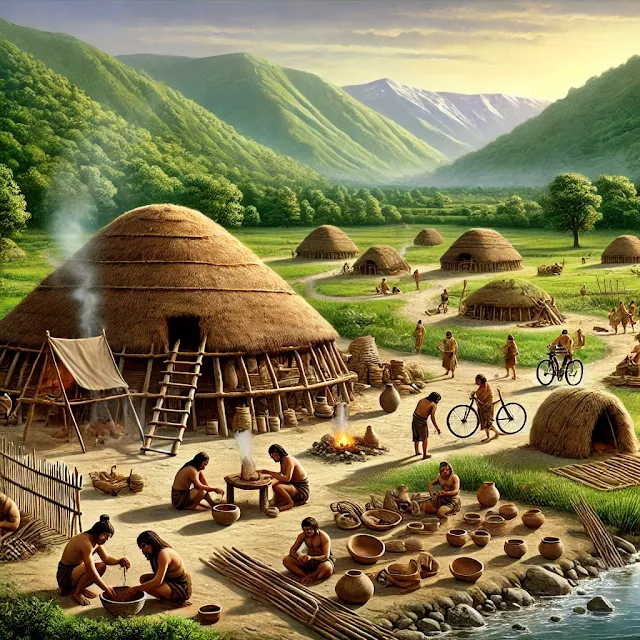
Human habitation started during the Neolithic times in Nepal when those first settlements emerged. The Kathmandu Valley maintained Kirat Dynasty rule until Hindu and Buddhist cultural influences emerged in the region.


During the period spanning from 400–750 AD the Licchavi Dynasty established major cultural elements which have become fundamental to Nepal. Nepal developed its art and architectural techniques together with its trading sector during the time when the rulers were in power. The Swayambhunath and Pashupatinath temples along with other iconic stupas experienced growth or construction during the Licchavi Dynasty.

The Malla Era: The Golden Age of Art and Culture


Throughout the two centuries between the 12th and 18th centuries the Malla kings led Nepal toward becoming an established artistic and cultural center which boosted its position in trade. The Kathmandu Valley existed as three separate realms known as Kathmandu Bhaktapur and Patan which engaged in a competition to build the most impressive architectural masterpieces.


Durbar Squares in those cities remain as monuments celebrating the magnificent architectural achievements of the Malla Dynasty. During this era Nepalese cultural traditions became deeply rooted through major festivals including Indra Jatra and Dashain.


The Rise of the Shah Dynasty and Unification of Nepal


During the mid-18th century King Prithvi Narayan Shah from the Gorkha small kingdom began uniting Nepal. In 1769 he led his forces to defeat in the Kathmandu Valley thus initiating the modern-state of Nepal. The nation-building goal of his vision resulted in Nepal becoming one united kingdom which successfully fought off colonial attempts unlike its neighboring territories.


For more than two centuries the Shah dynastic rulers controlled Nepal through a period that brought continuous struggles with both domestic unrest and international forces. During the Anglo-Nepalese War between 1814 and 1816 Nepal surrendered lands by signing the Sugauli Treaty to the British East India Company.

The Rana Regime: A Century of Autocratic Rule


Jung Bahadur Rana took power through a coup in 1846 to begin the Rana rule that existed for more than 100 years. The Rana prime ministers achieved complete rule while making the Shah kings completely powerless. The country experienced no development in its infrastructure as well as education along with little advancement in its governance structures while remaining cut off from the world during this time.


The political uprising of 1951 finally led to the demise of the Rana regime when King Tribhuvan united with democratic movements to establish democratic rule.


From Monarchy to Republic: Nepal’s Political Transition


The end of Rana dictatorship brought different political experiments throughout Nepal. The year 1990 introduced a constitutional monarchy which supported the emergence of a multi-party democratic system. Political unrest developed into a Maoist insurgency that fought from 1996 until 2006 because citizens wanted total political transformation.


Nepal made history when officials ended the monarchy in 2008 and established itself as a new federal democratic republic. After adopting its 2015 constitution the country established equal rights along with representation for every Nepalese citizen.


Nepal in the 21st Century: A Nation of Resilience


The modern Nepal exists as a country which displays cultural diversity through its ethnic communities while presenting itself as a destination with unparalleled natural appeal. Nepal continues its national growth and reconstruction despite facing political hurdles and numerous natural catastrophes that encompassed the destructive 2015 earthquake.


Nepal advances toward progress as its major economic sectors include tourism together with agriculture and remittances. Tourists from across the globe visit Nepal to see Lumbini along with the historical urban centers that surround the Kathmandu valley.

Conclusion


Throughout its existence Nepal has proven itself while building a rich cultural history. Over the centuries Nepal has transformed into a modern democracy yet it has successfully protected both its ancient traditions and historical heritage. The historic records of Nepal continue inspiring national identity among its citizens as the nation progresses into the future.

Wednesday, March 26, 2025

The Legacy of Nepal’s Kings: A Journey Through History

•Introduction: The Legacy of Nepal’s Kings


Throughout history Nepal's development evolved together with the royal dynasties that ruled the country. The Shah kings ruled Nepal during its unification while the dynasties from the early era helped form the foundations of the nation and the monarchy established Nepal's cultural and political and social traditions. We will study the royal Nepalese path through history which demonstrates both their victories and adversities as well as their enduring impact on the nation.


•The Early Kingdoms of Nepal


effectiveratecpm.com/68/6d/31/686d3179c16bb528efb98a2fc10ba7a1.js

During ancient times Nepal established its first kingship through the Licchavi dynasty which ruled the country between 400-750 AD. During their reign the Licchavi kings transformed Kathmandu Valley into a cultural and commercial center where they supported Hinduism and Buddhism. King Mandev stands out among other rulers because of his significant achievements in governance together with his architectural masterpieces and his work in religious expansion.


https://www.effectiveratecpm.com/k48uwt2g6?key=d83c539d3e45144f57af10db357bf636

The Malla dynasty (12th-18th century) took power after the Licchavis and brought Nepal into an artistic and cultural heyday accompanied by architectural achievements. During the Malla dynasty King Jayasthiti Malla and Pratap Malla together with Bhupatindra Malla gained fame through their sponsorship of temples along with palace constructions and traditional festivities which exist as present-day celebrations..

•The Rise of the Shah Dynasty


The Shah dynasty under Ki ng Prithvi Narayan Shah established the most influential era of the Nepalese monarchy during the 18th century. The people of Nepal honor Prithvi Narayan Shah as their national unifier since he took numerous small kingdoms to create a strong unified nation. According to Shah's national perspective Nepal exists between two major powers like two boulders (China and India) which underlines the necessity of sovereign unity for the country.

effectiveratecpm.com/05669accc3a21020b6cfc5ea7990a030/invoke.js


The Shah dynasty established rule in Nepal for more than two centuries during which they faced both flourishing times and domestic struggles and international challenges. Through his leadership King Tribhuvan earned the title "Father of the Nation" because he successfully brought an end to the Rana prime ministership which had dominated the country for more than a century. Through his actions he brought democracy to Nepal.

•Modern Era: The Monarchy’s Fall src="//pl26205050.effectiveratecpm.com/05669accc3a21020b6cfc5ea7990a030/invoke.js">


King Birendra achieved fame by working towards peace while bringing democratic changes to Nepal before his tragic death. A devastating palace massacre during 2001 took King Birendra and Queen Aishwarya and other royal family members from the world.


Public dissatisfaction against King Gyanendra grew stronger because of political turmoil and authoritarianism claims. Mass protests against the monarchy developed into an institutional change that abolished the royal family which then transformed Nepal into a federal democratic republic in 2008.

•The Legacy of Nepal’s Kings Today


Though Nepal is now a republic, the influence of its kings is still visible. Ancient palaces like the Hanuman Dhoka, Patan Durbar Square, and Bhaktapur Durbar Square stand as testaments to their architectural vision. Traditional festivals like Indra Jatra, Dashain, and Kumari Jatra carry on the cultural heritage that these monarchs cherished.


Moreover, the values of unity and resilience promoted by kings like Prithvi Narayan Shah continue to inspire Nepali identity and patriotism.

•Conclusion: A Royal Journey. Remembered


Nepal’s kings shaped the nation’s history in profound ways — from early builders to unifiers and reformers. Their legacies live on in the art, culture, and spirit of the people. While the monarchy may no longer govern, the stories of Nepal’s great kings remain an essential part of the country’s rich and resilient heritage

Tuesday, March 25, 2025

The Heart of Nepal: Exploring the Diverse People and Cultures

 The Heart of Nepal: Exploring the Diverse People and Cultures

The people of Nepal stand out through their remarkable way of life which extends from the breathtaking mountains to the breandscapes. The resilient and welcoming people of Nepal operate as the fundamental essence of this enchanting nation. Every piece of Nepal extends from the snowy tops of the Himalayas to its green hills as well as its act communities and traditions and local languages.


A Land of Ethnic Diversity


The diverse population of Nepal consists of more than 125 ethnic groups who speak among themselves 123 native languages which form a unique cultural pattern. Every region in Nepal maintains distinctive customs together with unique festivals and particular ways of existing.

< br />

The Sherpas maintain famous status for their expert climbing abilities while residing in the area surrounding Mount Everest. They possess physical strength and deep spiritual bonds with the mountain terrain.


As the indigenous people of the Kathmandu Valley the Newars maintain international fame because of their exceptional artistry and architectural achievements as well as their energetic celebrations Indra Jatra and Bisket Jatra.


In the Annapurna region the Gurungs and Magars members are recognized for their valor and several of them join the Gurkha regiments.


The Tharus live in Terai plains where they maintain their distinctive dwelling structures while wearing vibrant traditional clothes and share a strong environmental connection.

Warmth and Hospitality

Nepal Culture, Nepali People, Himalayan Communities, Nepal Travel, Ethnic Diversity in Nepal, Festivals in Nepal, Nepal Hospitality, Travel to Nepal


I find the friendly welcome of people during Nepal visits to be its most distinctive element. The traditional Indian custom of welcoming guests as divine entities finds its perfect expression in how Nepalis treat their visitors through the principle of "Atithi Devo Bhava".


Every corner of Nepal offers its residents the tradition of welcoming strangers with Namaste gestures while sharing smiles and sometimes inviting them for tea. Nepali families extend their hospitality through meal sharing among strangers which creates an immediate family connection with guests.


Faith and Spirituality


The religious beliefs of Nepal combine Hinduism and Buddhism while Islam and Christianity also find acceptance throughout the country. Spirituality pervades every day in Nepal because the country maintains religious traditions through temples coupled with prayer flags which wave in the wind.


Many tourists along with Nepalese people visit well-known pilgrimage sites including Pashupatinath Temple and Lumbini which is the birthplace of Buddha and the Boudhanath Stupa which produces a peaceful sacred environment. The daily beginning of Nepali people includes religious rituals which include both temple worship and home lamp-lighting which display their strong faith.

Festivals and Celebrations


The vibrant character of Nepal expresses itself through numerous festivals that fill the entire cultural year. The longest and most significant Hindu festival Dashain joins with Tihar which is known as the Festival of Lights to unite families in joyful festivities.


Other key festivals include:


Holi serves as the festival of colors during which people express joy through their application of vibrant colored dyes.


Losar represents the Tibetan New Year which brings joy to all Sherpas Tamangs and other Himalayan folks.


The festival Maghe Sankranti marks the arrival of warmer days and longer sunlight hours while Nepalese people prepare sesame sweets and yams for their celebrations.


Each festival within Nepal shows how the country merges its deep cultural richness with lively beautiful traditions from religion.

Resilience and Spirit


Nepalese people display an unbeatable spirit which characterizes their population. Nepalese communities demonstrate remarkable strength while maintaining unity to build back their community after disasters and economic strains with affirmative spirit. Their unyielding spirit together with their ongoing compassion makes Nepalese people worthy of admiration.


Nepali people demonstrate their determination and motivation through their work in agricultural terraces as well as their initiatives to create urban business opportunities.


The country’s true beauty extends beyond its mountains and rivers since it lies within the Nepali community. People in Nepali communities stand apart because they possess remarkable diversity alongside welcoming personalities and enduring spirits. Your heart will forever keep memories of Nepali people during your Himalayan treks and ancient village tours..

Top 10 Best Games Ever That Changed Gaming History

  Top 10 Best Games Ever: Timeless Classics Across Platforms Click to download all games To name the best games of all time, it is not neces...